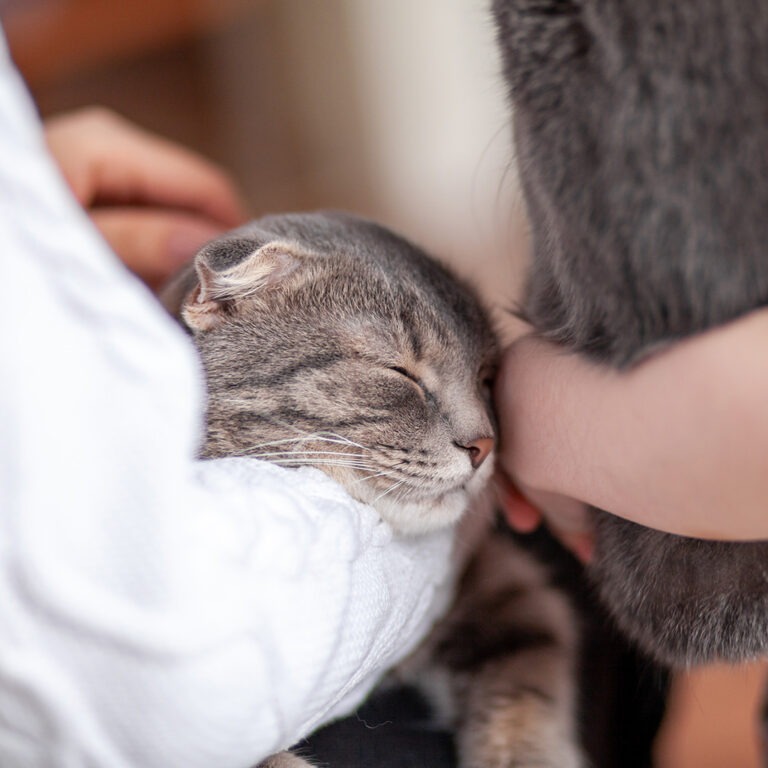
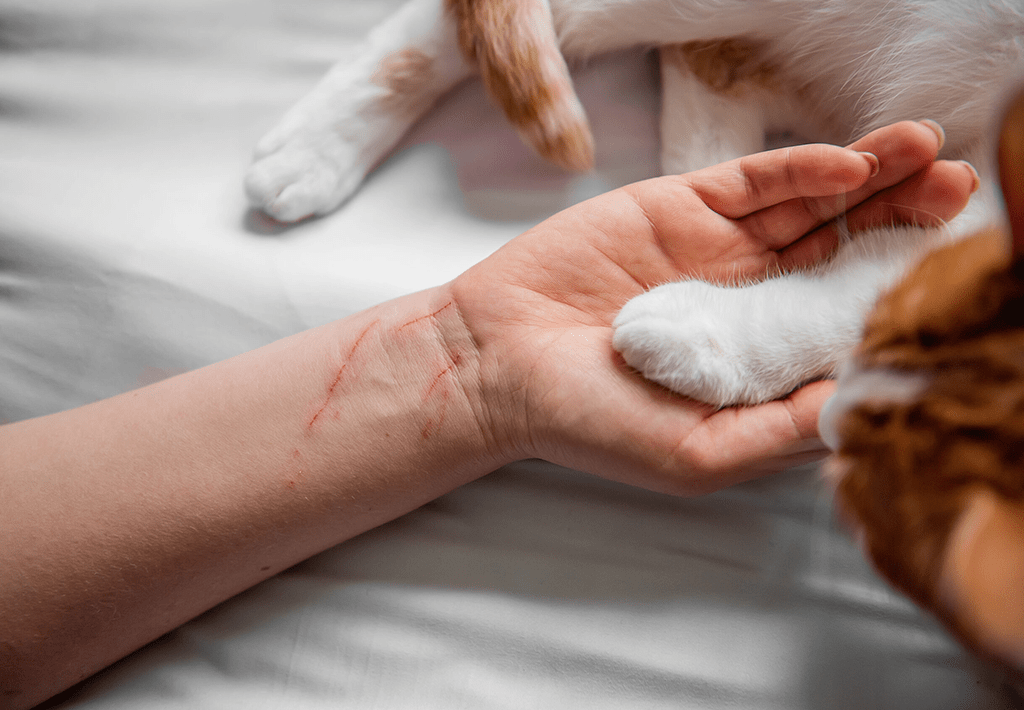
You’re cozy on the couch. Your cat is curled up next to you, purring. Everything is perfect—until zip, claws to the arm.
No hissing, no warning, just a quick scratch and a look that says, “I don’t know what that was either, human.”
If you’ve ever been scratched by your cat and thought, “Was that on purpose?”—you’re not alone. The truth is, most scratches aren’t malicious. They’re accidents, misunderstandings, or side effects of being a bipedal roommate to a four-legged predator with built-in knives.
But even accidental scratches can come with risks—including a real condition called cat scratch fever. So let’s break down what causes these surprise swipes, how to prevent infection, and why you don’t need to be afraid of your cat (just maybe a little more cautious during playtime).
Why Do Cats Accidentally Scratch People?
Not every scratch is a dramatic act of feline fury. More often than not, your cat didn’t mean it—or didn’t realize they scratched you at all. Here are some of the most common (and totally relatable) reasons for accidental cat scratches:
1. Surprise! You Moved Too Fast
Ever tried to pet your cat while they were asleep, under a blanket, or facing the other way? That sudden movement can trigger a startle response—swipe first, figure it out later.
2. Overstimulation Sneak Attack
Some cats go from purring loaf to claws out in a matter of seconds. It’s not mood swings—it’s sensory overload. They enjoyed the first 30 seconds of petting. They did not ask for the 31st.
3. Oops, You Stepped on a Tail
We’ve all done it. Dark hallway, sleepy feet, and next thing you know, your cat yelps—and reflexively throws a paw your way. It’s instinct, not payback (even if it feels personal).
4. Playing Too Rough with Hands
Wiggling fingers look a lot like prey. If your cat gets caught up in the moment, they might forget those “toys” are attached to you. Especially true with kittens and high-energy cats.
5. Nighttime Zoomies or Kneading Gone Wrong
Cats often express affection by kneading your body like dough—with claws. Or they might launch a midnight parkour session off your legs while you’re sleeping. Either way: accidental, but ouch
So, What Is Cat Scratch Fever?
Cat scratch fever (aka cat scratch disease) is a real bacterial infection caused by Bartonella henselae. It’s usually passed from a cat to a human through a scratch or bite—and yes, it can even happen from a gentle nip or small scratch you barely noticed.
Most often, cats get the bacteria from fleas, then unknowingly spread it by licking or scratching themselves—and then you.
The good news? For most healthy people, it’s mild. The better news? It’s preventable.
Symptoms of Cat Scratch Fever
If you’ve been scratched and start to notice these symptoms within a few days to two weeks, it’s worth checking with a doctor:
Red bump or blister near the scratch or bite
Swollen lymph nodes, especially near the affected area
Fever, fatigue, headache, or body aches
Warmth or tenderness around the wound
It’s rarely serious—but for kids, older adults, or immunocompromised folks, it can become more severe if untreated.

How to Prevent Cat Scratch Fever (and Still Cuddle Your Cat)
You can love on your cat and stay safe at the same time. The key is understanding why these scratches happen and taking simple precautions to keep infections out of the equation.
1. Flea Control Is Essential
The bacteria that causes cat scratch fever is spread by fleas. Keeping your cat on vet-recommended flea prevention year-round is the single best step you can take to protect them—and yourself.
2. Trim Those Claws Regularly
Shorter claws = less damage when accidents happen. Even a quick swat won’t break skin if the nails are dull. Ask your vet or groomer for help if trimming at home feels like wrestling a tiny tiger.
“Want to keep your hands scratch-free? Shop our Cat Dad Hoodies — durable enough for biscuit-making sessions.”
3. Use Toys, Not Hands, for Play
Your fingers may look like toys—but your cat needs you to set boundaries. Wands, feathers, springs, and treat balls keep their paws occupied without turning your hand into target practice.
4. Know the Warning Signs
Watch your cat’s body language. Flattened ears, twitching tails, sudden pupil dilation—these are all signs your cat’s had enough. Respect the signals, back off, and avoid the scratch.
5. Clean Every Scratch—Even the Tiny Ones
Wash the area with soap and warm water, apply an antiseptic, and keep it clean. Most scratches won’t get infected, but it’s better to be cautious than to learn about lymph nodes the hard way.
6. Teach Gentle Interaction Early
If you’ve got a kitten, now’s the time to set expectations. Reinforce gentle play, reward calm behavior, and discourage biting or scratching with redirection (not punishment).
Loving Your Cat Doesn’t Have to Hurt
The occasional scratch comes with the territory when you live with a little meatball full of emotions and claws. But most of the time, those swipes aren’t anger—they’re just reactions. Your cat didn’t mean it. And they’ll probably be purring in your lap five minutes later like nothing happened.
So wash the scratch. Trim the nails. Take a breath. And maybe don’t sneak up on your cat during nap time.
Want more real-life advice for surviving the chaotic joy of cat parenthood?
Subscribe to the Spare Human Society blog for weekly updates, tips, and unfiltered cat truths. And if your cat’s ever left you with a souvenir scratch, check out our merch for pet parents who wear their scars with pride (and maybe a little glitter). Check out our Funny Cat Mom Shirts — perfect for the proud Spare Human with scratch souvenirs.”